Precision machining
Machining most workshops send away.
Brake rotors and drums, flywheels, cylinder heads and manifolds, cut back to a flat, true surface on our own equipment in Nerang.
01What machining is, and why flat matters
Machining means mounting a component and cutting a controlled amount off a worn or distorted surface until it is flat and true again. It is not a cosmetic job. Every one of these surfaces exists to seal against something or to be gripped by something, and neither works properly once the surface has moved.
Almost everything that goes wrong with these components comes down to heat. Heat cycling warps, heat spotting hardens, and once a face is no longer flat, no gasket, pad or clutch will make up the difference.
02The four jobs we take on
Brake rotors and drums. Uneven thickness across a rotor is what you feel as shudder through the wheel. Machining the face back to flat removes that, provided there is material above the minimum thickness stamped on the disc.
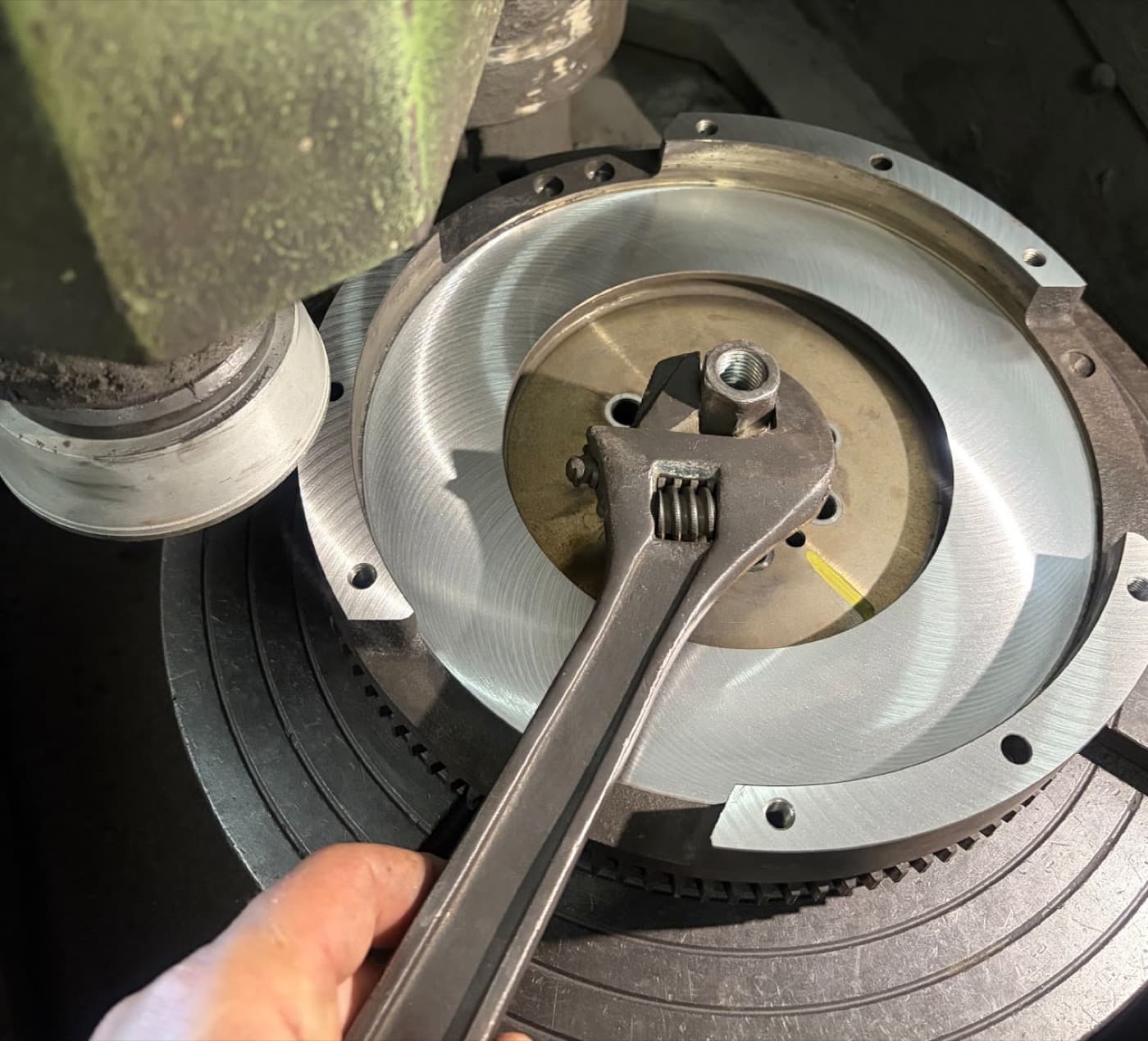
Flywheels. A clutch bites onto the flywheel face. The old clutch leaves that face heat spotted and grooved, and bedding new friction material onto it shortens the life of the new clutch and can bring back the judder you paid to fix.
Cylinder heads. A head gasket only seals against a flat deck. After an overheat or a gasket failure, the head face needs checking and, if it has moved, decking back to true before a new gasket has any chance.
Manifolds. Intake and exhaust manifolds warp with heat cycling. Once a flange is no longer flat, a new gasket alone will not stop the leak. Machining the flange restores the sealing face.
03Not everything can be machined
This is worth being blunt about, because it is where the money is. A brake disc has a minimum thickness cast or stamped into it. Once wear takes it below that figure, removing more material is unsafe, and the honest answer is replacement.
The same applies to a component that has moved too far or cracked. We measure first and cut second, and if the measurement says no, you will hear that rather than have it skimmed anyway.
How a job runs
Measure first, cut second.
The measuring step is the one that matters. It decides whether a component gets machined or replaced, and it happens before anything is cut.
- 01
The component comes off
Either we remove it here, or you bring the part in on its own. If it is already off, call first and tell us what it came from.
- 02
It gets measured
Checked against the figure that decides the job. A brake disc carries its minimum thickness stamped into it, and that number is not negotiable.
- 03
The face is cut back to true
Mounted up and the worn or distorted surface taken back to flat, so a pad, a clutch or a gasket has something square to work against.
- 04
Checked, then back on
Checked again before it leaves the machine, then refitted, or handed back if you brought it in loose.
On the floor
The machine shop.
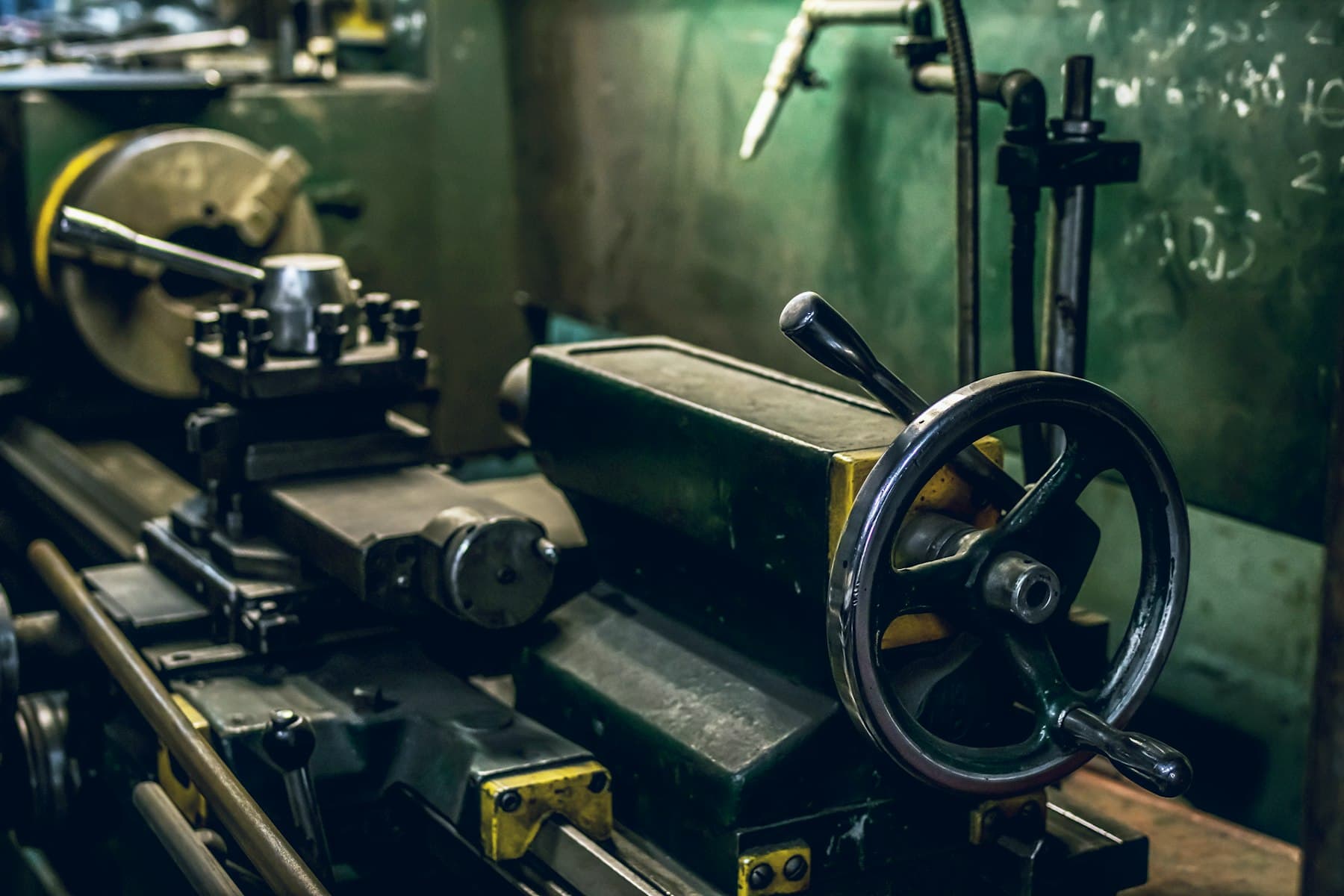
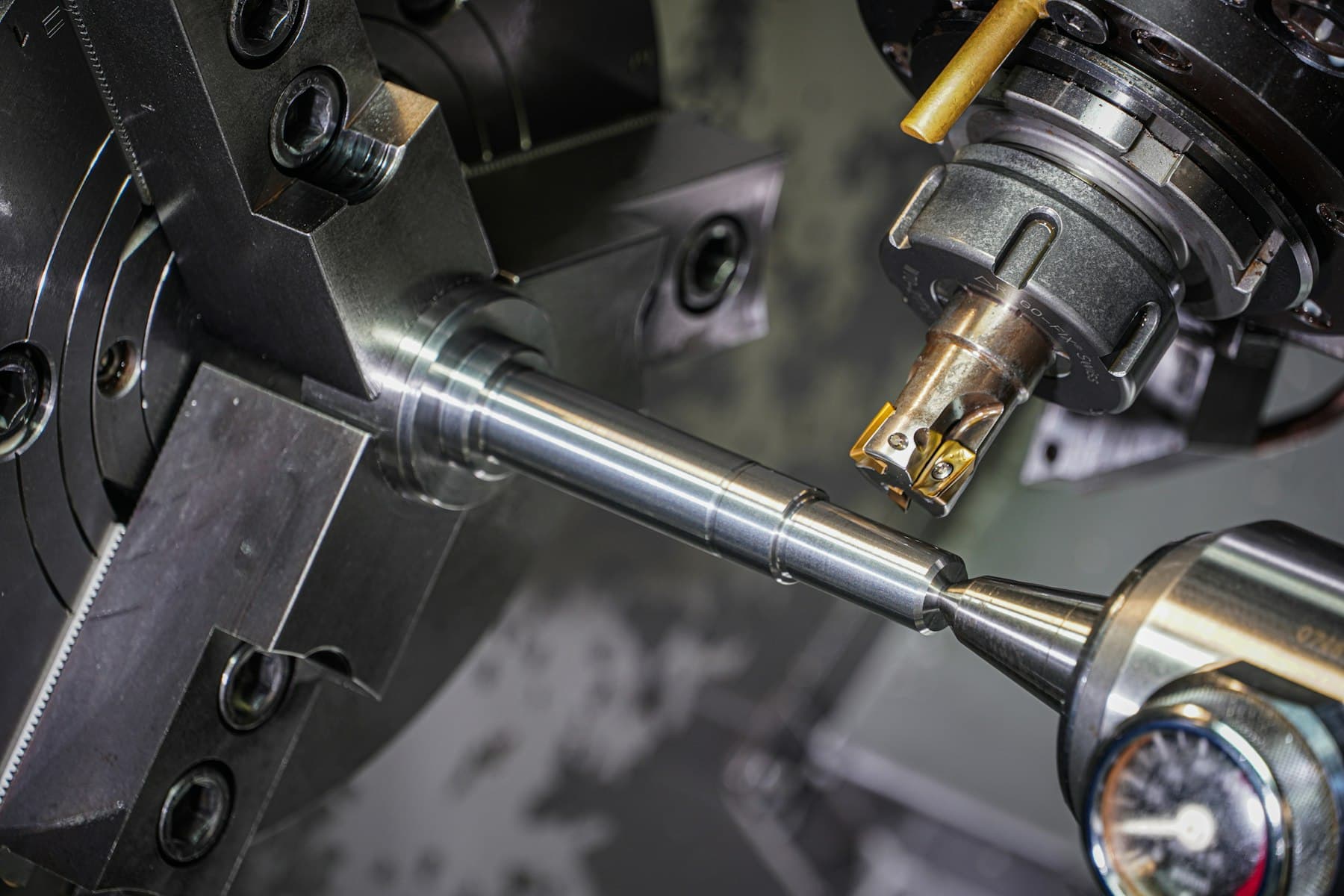
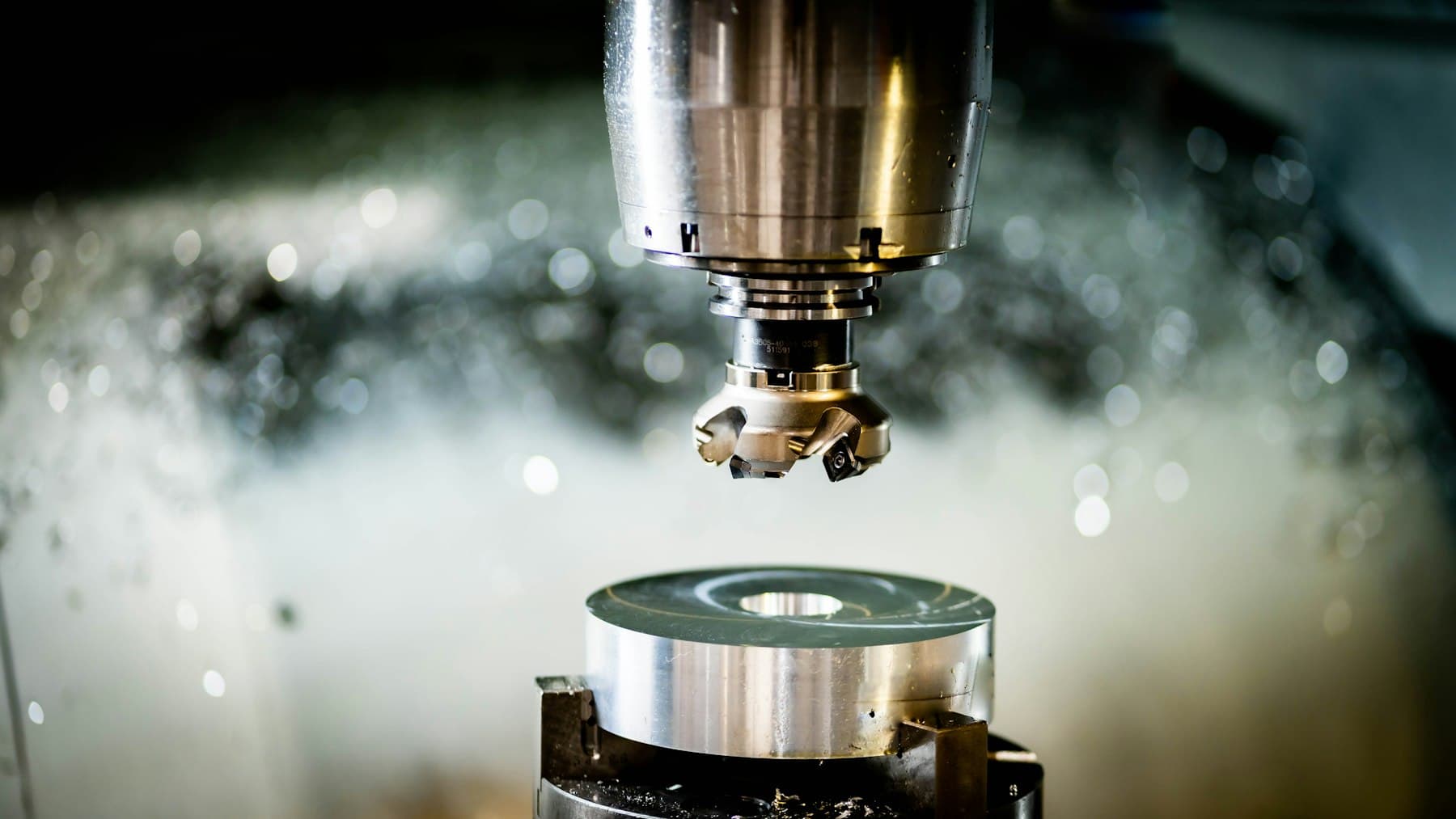
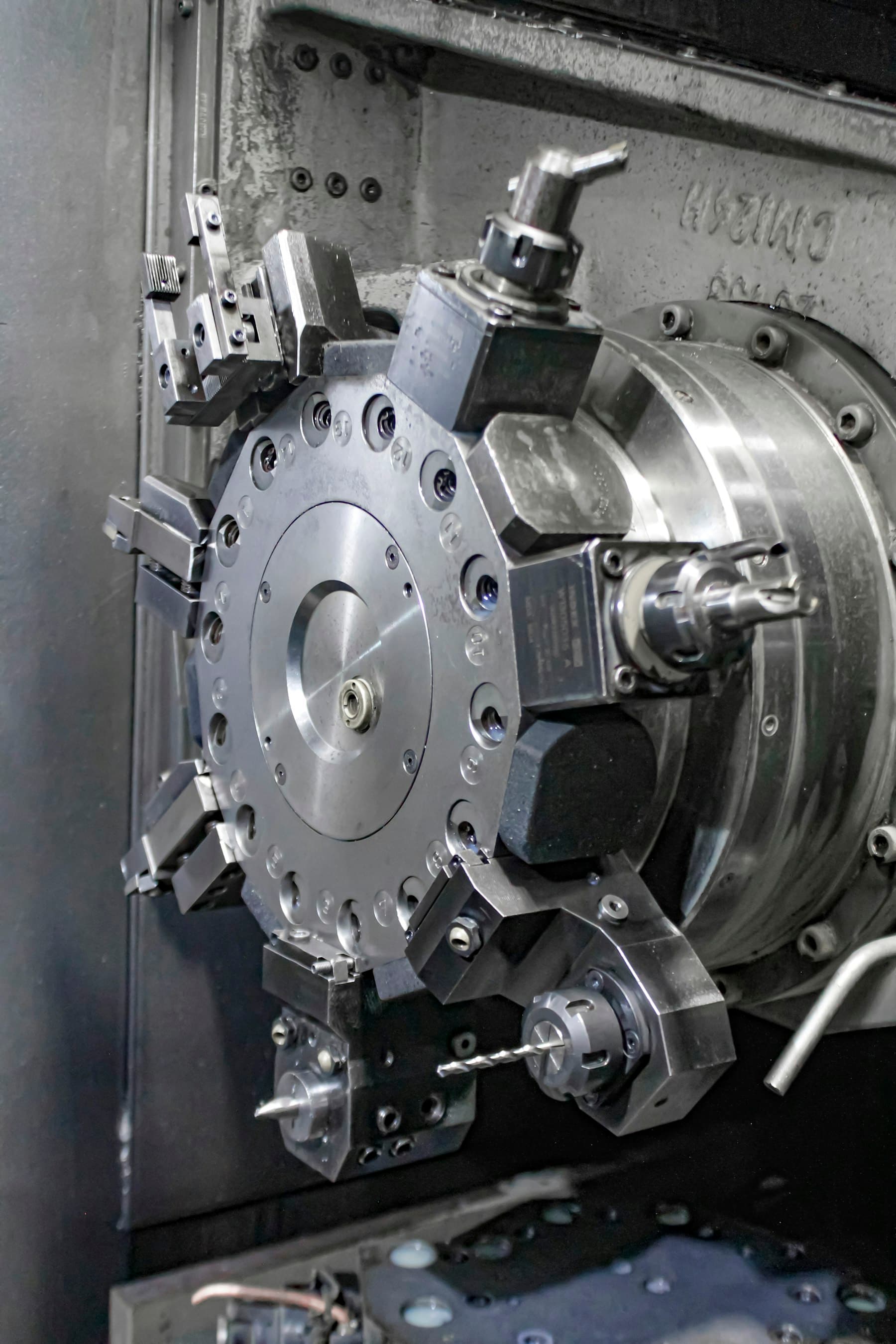
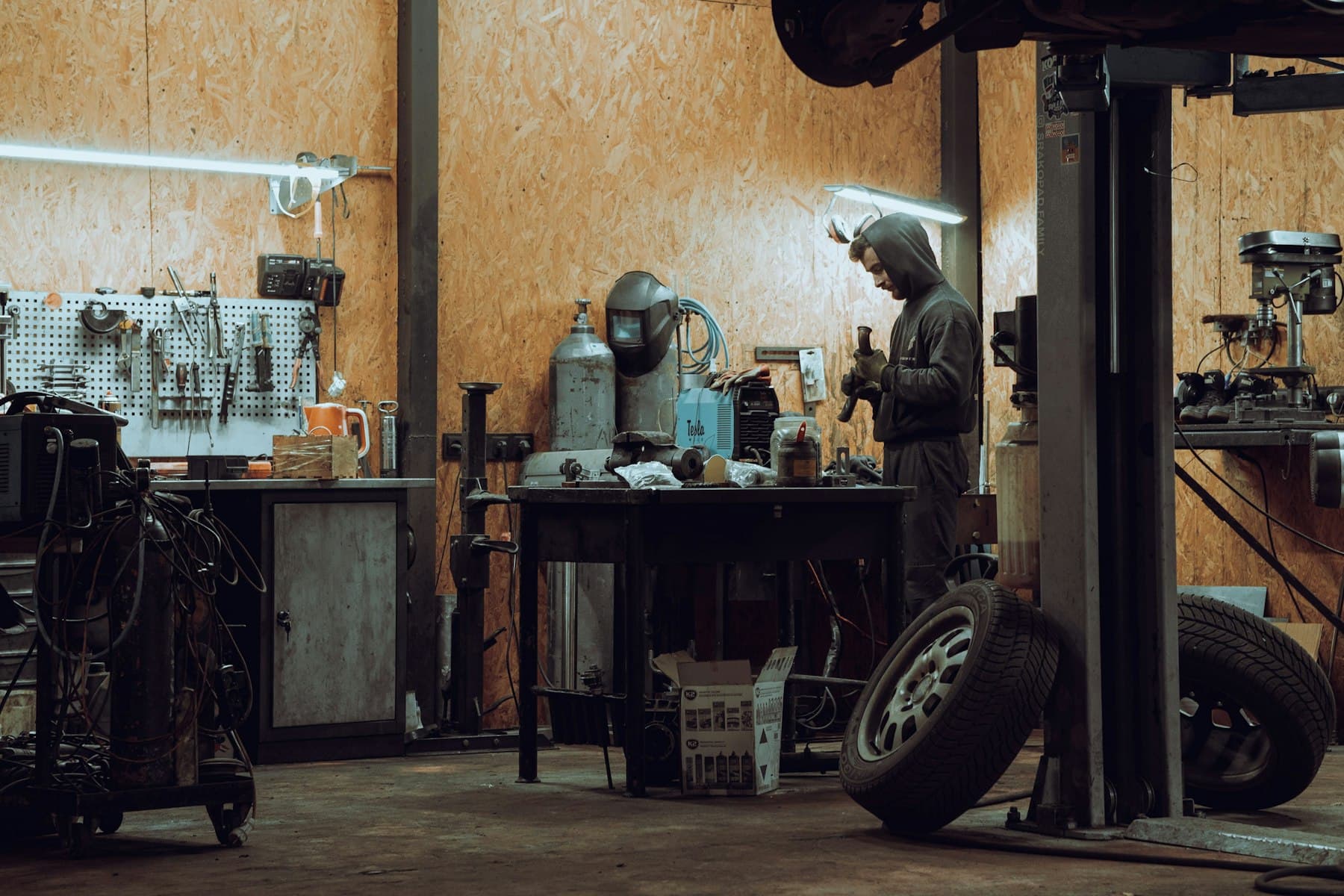
Machine shop photography shown for illustration. The flywheel above was photographed at the Fastbrake workshop.
Machining questions
Straight answers.
My brakes shudder when I slow down. Do I need new discs?
Not necessarily. That shudder is usually uneven thickness across the disc rather than the disc being worn out. If there is enough material left, machining takes the face back to flat and the shudder goes away. If there is not, the disc has to be replaced. Every disc has a minimum thickness stamped into it, and that number decides which one you are looking at.
Can any brake disc be machined?
No, and this is worth being blunt about. Once wear takes a disc below the minimum thickness stamped on it, machining more material off is unsafe. At that point it needs replacing, and we will tell you so rather than skim it anyway.
Why does a flywheel need resurfacing when the clutch is replaced?
The clutch bites onto the face of the flywheel. An old clutch leaves that face heat spotted and grooved. Bedding new friction material onto a surface like that shortens the life of the new clutch and can bring back the judder you just paid to fix. Resurfacing gives it a clean, flat face to work against.
Can I bring in a component on its own, without the car?
Give the workshop a call before you come in and talk it through. It helps to know what the part is off and what it is doing, so we can tell you whether machining is the right answer before you make the trip.
Got a component that needs machining?
Call the workshop to talk the job through, or send the details and we will come back to you.