Brake specialists
Brake repairs in Nerang.
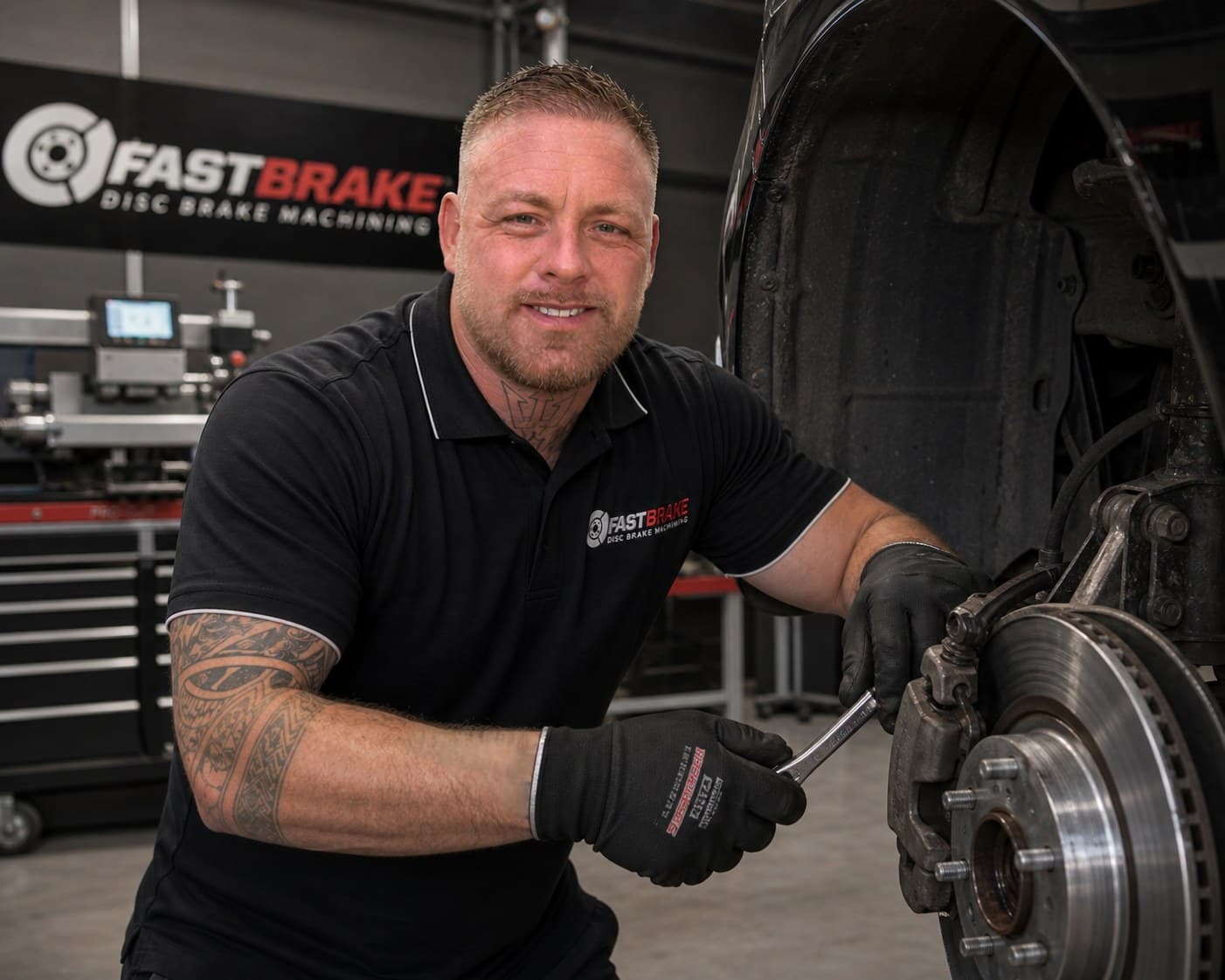
Brakes are the one system on your car you cannot negotiate with. We inspect them, repair them, and machine the components in house rather than posting them out.
01What a brake inspection actually covers
An inspection is not a glance through the wheel. The wheels come off so the pads can be measured properly, both inner and outer, because they rarely wear evenly. The rotor faces get checked for scoring, lipping and heat damage, and measured against the minimum thickness stamped into the disc itself.
Then the parts that quietly cause brake problems: the caliper slides, the flexible hoses, the fluid, and the handbrake mechanism. A caliper that is not sliding freely will chew one pad down to nothing while the other looks almost new, and no amount of new pads fixes that.
You get told what it needs, what it does not need yet, and roughly where the wear is up to so you can plan the next visit rather than being surprised by it.
02Pads, rotors and drums
Pads are a wear item and there is no getting around replacing them. What varies is what else the job needs. New pads pressed against a scored or unevenly worn rotor will not bed properly, will not feel right, and will often bring the shudder straight back.
That is where machining comes in. If the rotor still has enough material above its minimum thickness, we can cut the face back to flat here in the workshop and it will behave like a fresh one. If it does not, it gets replaced. The stamped number decides it, not us.
Rear drums are the same story. A drum that has worn oval or ridged can be machined true again while there is material to work with, and we will tell you plainly when there is not.
03Why we machine brakes rather than sending them away
Most workshops do not have the equipment for this. They will either replace components that could have been saved, or box them up and send them to a machine shop, which means your car sits on a hoist waiting for somebody else's queue.
Brake machining is in our name and on our door. The part comes off, gets measured, gets cut, goes back on. One workshop, one set of hands, one phone call if something is not right.
Brake services
What we take on.
Brake inspections
Wheels off, pads measured, rotors measured against their stamped minimum.
Pads and rotors
Replacement where it is needed, machining where the component still allows it.
Brake machining
Rotors and drums cut back to a flat, true surface on our own equipment.
Noise and vibration
Shudder, pulsing, grinding and squeal all point somewhere specific.
Calipers and hoses
The parts that cause uneven wear and get missed on a quick look.
All makes and models
Petrol and diesel, European, 4WD and hybrid vehicles.
Machine or replace
The number stamped on the disc decides.
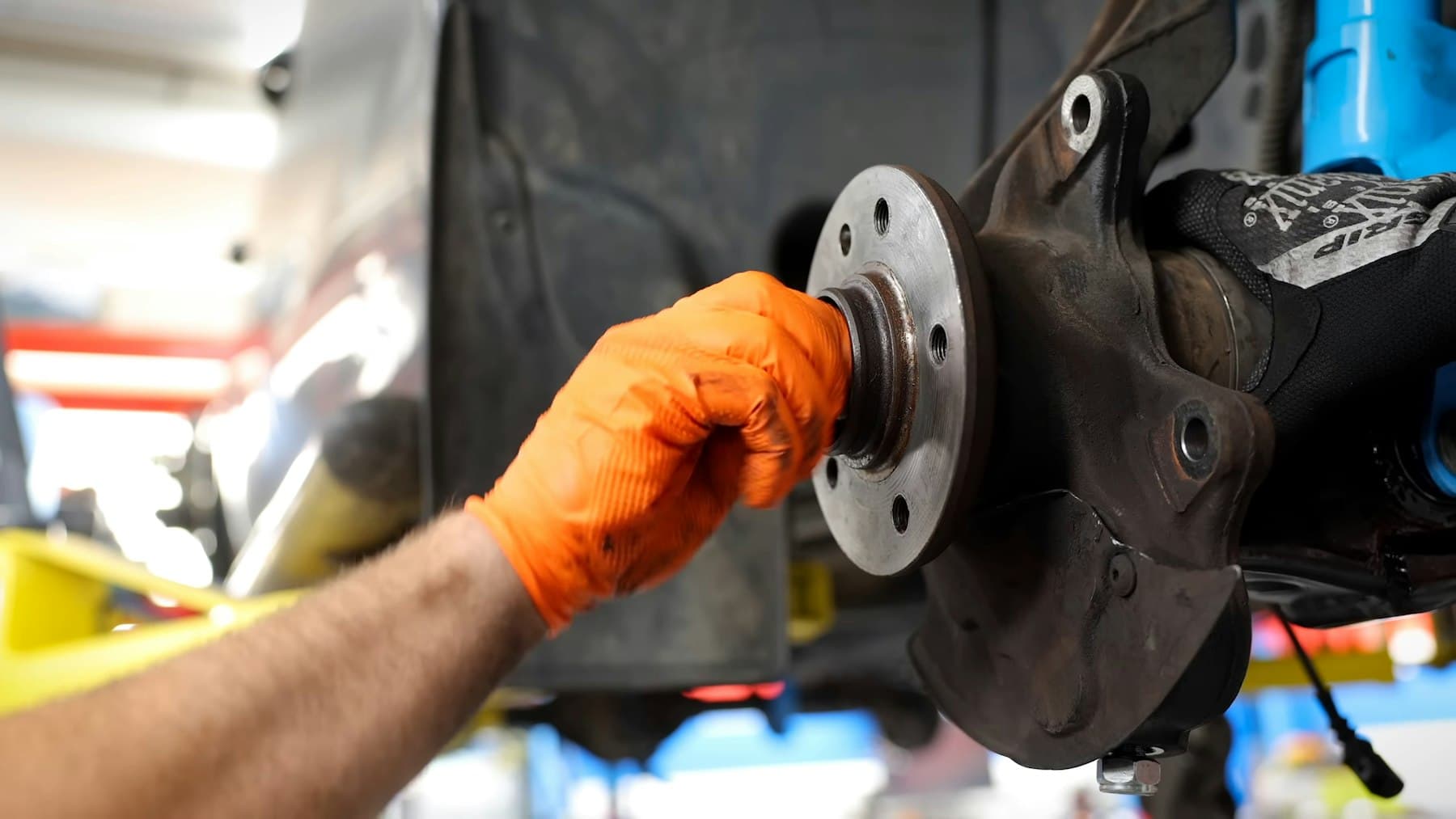
Every rotor carries a minimum thickness cast or stamped into it. Above that figure, machining the face back to flat is a genuine repair. Below it, the only safe answer is a new disc.
We measure before we cut, which means the recommendation you get is based on a number rather than on what happens to be in stock.
Before you call
What your brakes are telling you.
None of this diagnoses your car, but it will tell you roughly what you are dealing with.
What you notice
What it usually means
What we do
The steering wheel shakes when you brake
Almost always uneven thickness across the front discs rather than a worn out brake. The pads grab slightly more in some spots than others and you feel it through the wheel.
Measure the discs. If there is enough material left, machining takes the face back to flat and the shake goes.
The brake pedal pulses under your foot
The same problem, felt through the pedal instead of the wheel, and usually pointing at the rear discs or drums.
Measure, then machine if the component allows it and replace if it does not.
A grinding or scraping noise when you brake
Usually pads worn through to the backing plate, with metal running on metal. This one is not a wait and see.
Stop driving it and get it looked at. Discs damaged this way are often past machining.
The clutch judders on take off after a clutch replacement
Common when a new clutch has been bedded onto an old flywheel face that was never resurfaced. The heat spotting and grooving from the old clutch are still there.
Inspect the flywheel face. Resurfacing gives the friction material a flat surface to work against.
If it is grinding, stop driving it
Some of this will not wait.
A grinding or scraping noise under braking usually means the pad material is gone and metal is running on metal. Every kilometre after that does damage that machining cannot undo. Call the workshop rather than booking it in for next week.
Book a brake inspectionBrake questions
Straight answers.
My brakes shudder when I slow down. Do I need new discs?
Not necessarily. That shudder is usually uneven thickness across the disc rather than the disc being worn out. If there is enough material left, machining takes the face back to flat and the shudder goes away. If there is not, the disc has to be replaced. Every disc has a minimum thickness stamped into it, and that number decides which one you are looking at.
Can any brake disc be machined?
No, and this is worth being blunt about. Once wear takes a disc below the minimum thickness stamped on it, machining more material off is unsafe. At that point it needs replacing, and we will tell you so rather than skim it anyway.
Why does a flywheel need resurfacing when the clutch is replaced?
The clutch bites onto the face of the flywheel. An old clutch leaves that face heat spotted and grooved. Bedding new friction material onto a surface like that shortens the life of the new clutch and can bring back the judder you just paid to fix. Resurfacing gives it a clean, flat face to work against.
Can I bring in a component on its own, without the car?
Give the workshop a call before you come in and talk it through. It helps to know what the part is off and what it is doing, so we can tell you whether machining is the right answer before you make the trip.
Brakes making a noise?
Book a brake inspection at the Nerang workshop, or call and describe what it is doing.